
Low-Dose Dental X Rays for Kids, Taken Only When They Matter
Dental x rays for kids let us see what an exam alone cannot: decay hiding between teeth, adult teeth forming under the gums, and problems that are still invisible on the surface.
We use digital sensors that capture an image in a fraction of a second at a small fraction of the radiation of old film. And we take them on a schedule built around your individual child, never automatically at every visit.


What Dental X Rays for Kids Reveal
By the time decay is visible to the naked eye between two back teeth, it is usually well established. X-rays catch it while it is still small.
They also show us the whole picture of a developing mouth — the teeth that have not arrived yet, and whether there is room for them.
- Cavities between teeth, where a mirror and light cannot see
- Decay forming underneath an existing filling or crown
- Adult teeth developing below the gumline, and whether any are missing
- Crowding and spacing problems, often years before braces are considered
- Extra teeth, impacted teeth, and teeth erupting in the wrong direction
- Infection or abscess at the root of a tooth
- Injury to the root after a fall or sports impact
The Types of X-Rays We Use and When
Different questions call for different images. We take the smallest, most targeted image that answers the question in front of us.
Bitewings
The most common type. Your child bites on a small tab and we capture the back teeth on both sides to check for decay between them. Typically taken once a year once the back teeth are touching.
Periapical Images
A single tooth from crown to root tip. We use these when a child has pain, has taken a hit to the mouth, or when we need to evaluate the nerve before treatment.
Panoramic X-Ray
One wide image of the entire jaw. The camera rotates around the head and nothing goes in the mouth, which makes it a good option for children with a strong gag reflex.
No X-Rays at All
Plenty of visits need none. Young children with wide spacing between their teeth, no symptoms, and no cavity history often go years without needing an image.
How We Keep Radiation as Low as Possible
Our protocol follows the ALARA principle — As Low As Reasonably Achievable. Here is what that means in practice.
Want the full safety picture? Read Are Dental X-Rays Safe for Children? How Low-Dose Imaging Works.
Step 1: We Ask If It Is Necessary
Every image starts with a clinical question. If an x-ray will not change what we do next, we do not take it. This is the single biggest factor in reducing your child's lifetime exposure.
Step 2: Digital Sensors Only
Our digital sensors need dramatically less radiation than the film they replaced. The image appears on screen instantly, so there are no retakes waiting on development.
Step 3: Full Shielding
A lead apron and thyroid collar go on every child, every time, without exception.
Step 4: Child-Sized Everything
Smaller sensors, tighter collimation, and settings adjusted for a child's jaw rather than an adult's. We also let anxious children hold the sensor themselves when that helps.
Why Timely Imaging Protects Your Child
Skipping x-rays entirely does not avoid risk — it just moves the risk somewhere less visible.
Small Fillings Instead of Crowns
Decay found early between molars means a modest filling. The same decay found two years later often means a crown, a pulpotomy, or an extraction.
Orthodontics Planned Early
Seeing adult teeth develop lets us predict crowding and guide growth, sometimes avoiding extractions or shortening braces later.
Missing Teeth Found Sooner
Some children are simply born without certain permanent teeth. Knowing this at age seven gives you a decade to plan rather than a surprise at fifteen.
Injuries Properly Assessed
After a fall, the visible chip is rarely the whole story. An image tells us whether the root and nerve are intact.
Children's Dental X-Rays in Orlando: Why Parents Feel Reassured
The question we hear most is whether x-rays are worth the exposure at all. It is a fair question and it deserves a real answer rather than a brush-off. Whether your child needs kids dental x-rays in Celebration, FL, or pediatric digital x-rays in Winter Garden, the same low-dose protocol applies.
Our answer is that the exposure from a set of digital bitewings is extremely small — comparable to a short period of ordinary background radiation you receive simply by living in Florida — and we still work to minimize it, because small is not the same as zero.
- Low-dose digital sensors across all three offices
- Lead apron and thyroid collar on every patient, every image
- Individualized schedules — no automatic yearly x-rays for low-risk children
- Images shown to you on screen with the findings explained in plain language
- Records shared with your orthodontist or specialist so images are never duplicated
- Board-certified pediatric dentists trained specifically in reading a growing jaw
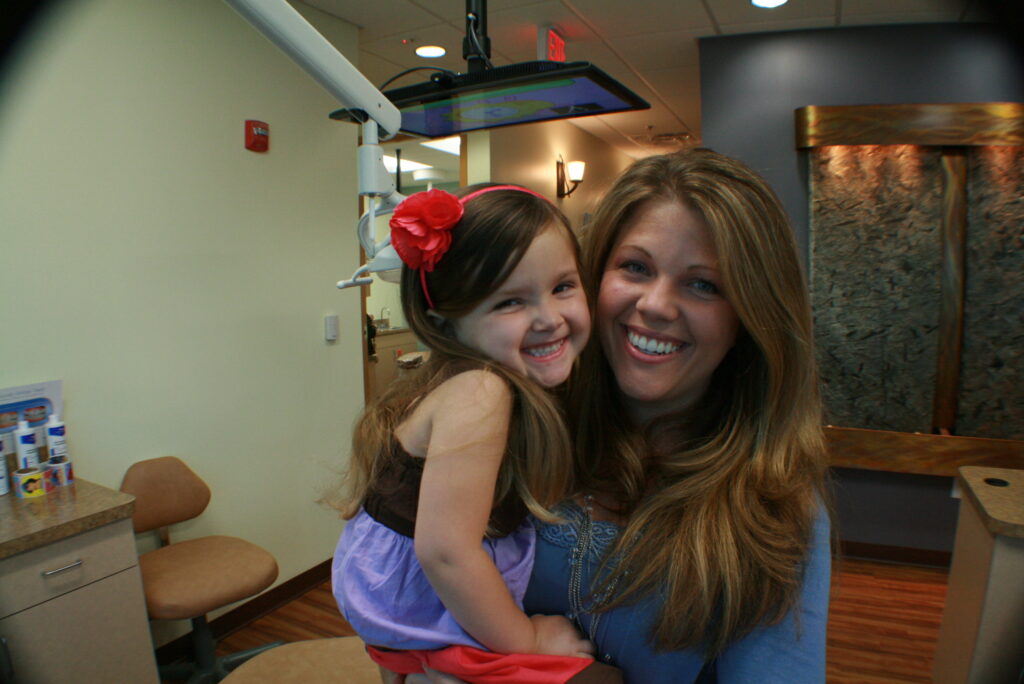

Kids (And Parents) Love CPD
Kid-Friendly, Clean, & Welcoming!
The team were absolutely amazing! They made my child feel comfortable and at ease from the moment we walked in. The office is kid-friendly, clean, and welcoming, with staff that genuinely cares about their young patients. We couldn’t be happier with our experience and highly recommend this practice!
- Ivy S.
My Son Loves The Dentist!
Great staff! It was my son’s first time going to a dentist. He was very nervous at first, but everyone made him feel so comfortable. The staff was super sweet! He now says he loves going to the dentist!
- Sahily
Friendly & Welcoming!
We had an amazing first experience. The staff was friendly and welcoming and went above and beyond to ensure everything went well. Would definitely recommend to others!
- Tonia T.
Meet Our Board-Certified Pediatric Dentists
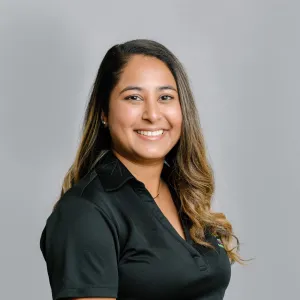
Six board-certified pediatric dentists care for children at our Celebration, Lake Nona, and Winter Garden offices.





Searching for Pediatric Dental X-Rays Near Me? Ask Us Directly
We are happy to talk through what we recommend and why before anything is taken. Book a visit at the office nearest you and bring every question you have. Questions about dental x rays for kids? Our team is happy to walk you through it.
Frequently Asked Questions
Straight answers to what parents ask us most about dental x rays for kids. If your question about dental x rays for kids is not listed here, just ask at your next visit.
X-Ray Costs & Coverage
Diagnostic images are covered by most dental plans on a set frequency. We verify your benefits and tell you the cost before anything is taken. Our front-desk team can review your coverage for dental x rays for kids before the visit.
What Insurance Covers
Most PPO plans cover bitewings once or twice a year and a panoramic image every three to five years. We check your specific frequency limits ahead of the visit.
Transparent Self-Pay Pricing
Without insurance, we quote the exact cost before we take anything. No image is ever added to your treatment without a conversation first.
Areas We Serve
Families across Central Florida visit our three pediatric dental offices. Choose the location closest to home to ask about dental x rays for kids, see office hours, and find directions.
Celebration Office
Serving Celebration, Kissimmee, ChampionsGate, Reunion, and Davenport.
Lake Nona Office (Orlando)
Serving Lake Nona, Orlando, St. Cloud, Moss Park, and Kissimmee.
Winter Garden Office
Serving Winter Garden, Windermere, Horizon West, Ocoee, Oakland, and Dr. Phillips.