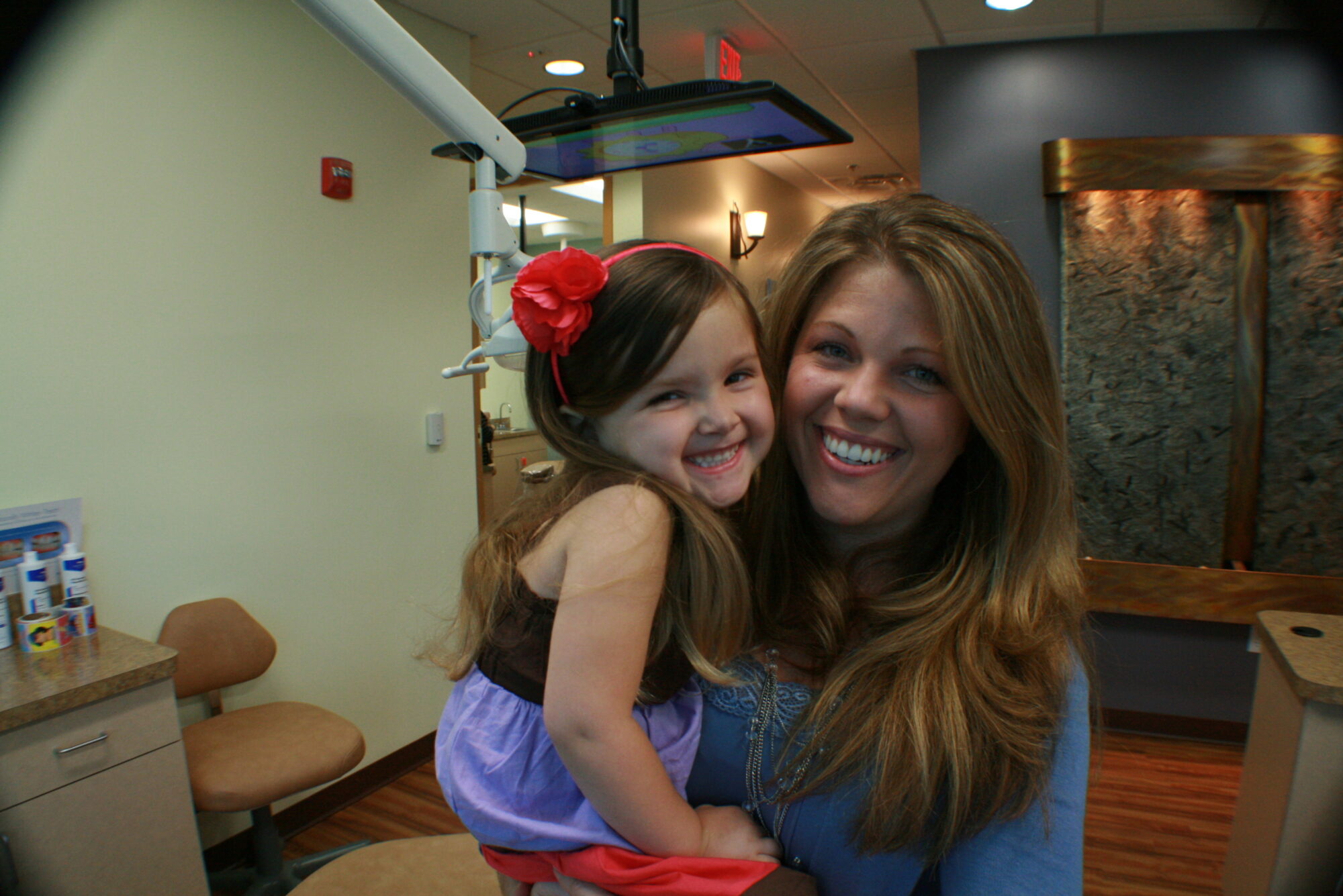

Hearing that your child needs a tooth pulled can make any parent nervous, and the first thing most people ask is: does pulling a baby tooth hurt? For most children, the honest answer is that it feels like pressure and pushing, not sharp pain. With good numbing and a calm pediatric team, many kids are surprised by how quick it is.

Loose Teeth vs. Teeth That Need Help
Most baby teeth fall out on their own as the adult teeth push them loose. Those rarely need a dentist, and wiggling them out at home usually causes little discomfort. A dental extraction is different. It is recommended when a baby tooth:
- Has a large cavity or infection that cannot be repaired
- Was cracked or broken in a fall
- Is not falling out on schedule and is blocking an adult tooth
- Needs to come out to make room before orthodontic treatment
What Your Child Feels During the Extraction
Before anything else, we apply a numbing gel to the gums so the local anesthetic is barely noticed. Once the area is fully numb, your child should not feel pain. They will feel pressure as the tooth is gently loosened and lifted out. Baby teeth have short roots, so the whole process often takes only a few minutes.
For children who are anxious, we can add comfort options such as laughing gas. You can learn more about those on our dental anxiety in kids page.
What About After the Numbing Wears Off?
Some soreness is normal for a day or two. Most children are comfortable with children’s acetaminophen or ibuprofen, given according to the package directions for their age and weight. If your child has any health conditions, ask us or your pediatrician which option is best.
Tips for a Smooth Recovery at Home
- Have your child bite gently on gauze for 15 to 30 minutes to stop the bleeding
- Watch that they do not chew their numb lip, cheek, or tongue for the first few hours
- Serve soft, cool foods such as yogurt, applesauce, pudding, and smoothies eaten with a spoon
- Skip straws, crunchy foods, and very hot drinks for the first day
- Keep brushing the other teeth, being gentle near the extraction site
- Plan a quiet afternoon with a favorite movie or book
When to Call the Dentist
Call us if bleeding does not slow after gentle pressure, if swelling or pain gets worse after the second day, or if your child develops a fever. These are uncommon, but we always want to hear about them.
Will My Child Need a Space Maintainer?
If a baby back tooth comes out early, the nearby teeth can drift into the gap and block the adult tooth. In that case we may recommend space maintainers for kids to hold the spot open. Front teeth usually do not need one.
How Parents Can Help Beforehand
Use simple, positive words. Say the dentist will “wiggle the tooth out” rather than “pull” or “yank.” Avoid sharing your own scary dental stories, and let our team explain the steps in kid-friendly language. The American Academy of Pediatric Dentistry also has helpful resources for preparing children for dental care.
The Bottom Line: Does Pulling a Baby Tooth Hurt?
So, does pulling a baby tooth hurt? With proper numbing and a gentle, experienced team, most children feel pressure rather than pain, and any soreness afterward is short-lived. Our tooth extraction for kids page covers the full visit, step by step.
Still asking yourself “does pulling a baby tooth hurt?” for your own child? Bring your questions to your next visit, and our board-certified pediatric dentists will give you an answer tailored to your child.